
The Essentials of Leasing Office Copiers

In today’s fast-paced business environment, having reliable office equipment is crucial. One such essential piece of equipment is the office copier. Whether your business is small or large, copiers play a vital role in daily operations. However, purchasing a copier outright can be expensive and may not always be the best financial decision. This is where leasing office copiers comes into play. Leasing offers flexibility, cost savings, and access to the latest technology without the upfront investment.
Understanding Leasing Office Copiers
Leasing office copiers means renting the equipment for a fixed period, usually between two to five years. Instead of buying the copier, your business pays a monthly fee to use it. This arrangement can be beneficial for many reasons:
Lower upfront costs: Leasing eliminates the need for a large initial payment.
Access to newer models: Leasing contracts often allow upgrades to newer technology.
Maintenance included: Many leases include service and maintenance, reducing downtime.
Tax benefits: Lease payments can often be deducted as business expenses.
For example, a mid-sized company might lease a high-volume copier that prints thousands of pages monthly. Instead of spending tens of thousands of dollars upfront, they pay a manageable monthly fee and receive full support from the leasing company.

Leasing office copiers provides access to up-to-date technology without large upfront costs.
Key Factors to Consider When Leasing Office Copiers
Before signing a lease agreement, it’s important to evaluate several factors to ensure the lease meets your business needs:
1. Copier Features and Specifications
Identify what features your business requires. Do you need color printing, scanning, faxing, or duplex printing? Consider the volume of copies your office produces daily. Choosing a copier that matches your workload prevents overpaying for unnecessary features or underestimating your needs.
2. Lease Terms and Conditions
Review the lease length, monthly payments, and any penalties for early termination. Some leases offer flexible terms, while others lock you in for several years. Understand what happens at the end of the lease - can you buy the copier, renew the lease, or return the equipment?
3. Maintenance and Support
Check if the lease includes maintenance and repair services. A good lease agreement should cover regular servicing and quick repairs to minimize downtime. Some providers offer on-site support, while others require you to send the copier in for repairs.
4. Total Cost of Ownership
Calculate the total cost over the lease term, including monthly payments, maintenance fees, and any additional charges. Compare this with the cost of purchasing a copier outright to determine the best financial option.
5. Vendor Reputation
Choose a reputable leasing company with positive reviews and reliable customer service. A trustworthy vendor ensures smooth transactions and ongoing support.
How Leasing Office Copiers Benefits Your Business
Leasing office copiers offers several advantages that can improve your business operations and financial health:
Flexibility to Upgrade Technology
Technology evolves rapidly. Leasing allows your business to upgrade to the latest copier models without the hassle of selling old equipment. This keeps your office efficient and competitive.
Improved Cash Flow Management
By spreading the cost over monthly payments, leasing helps maintain cash flow. This is especially beneficial for startups or businesses with tight budgets.
Reduced Maintenance Hassles
Leasing agreements often include maintenance, so your business doesn’t have to worry about unexpected repair costs. This reduces downtime and keeps productivity high.
Tax Advantages
Lease payments are typically considered operating expenses and can be deducted from taxable income. This can result in significant tax savings compared to capital expenditures.
Simplified Budgeting
Fixed monthly payments make it easier to budget for office equipment expenses. There are no surprises or large one-time costs.
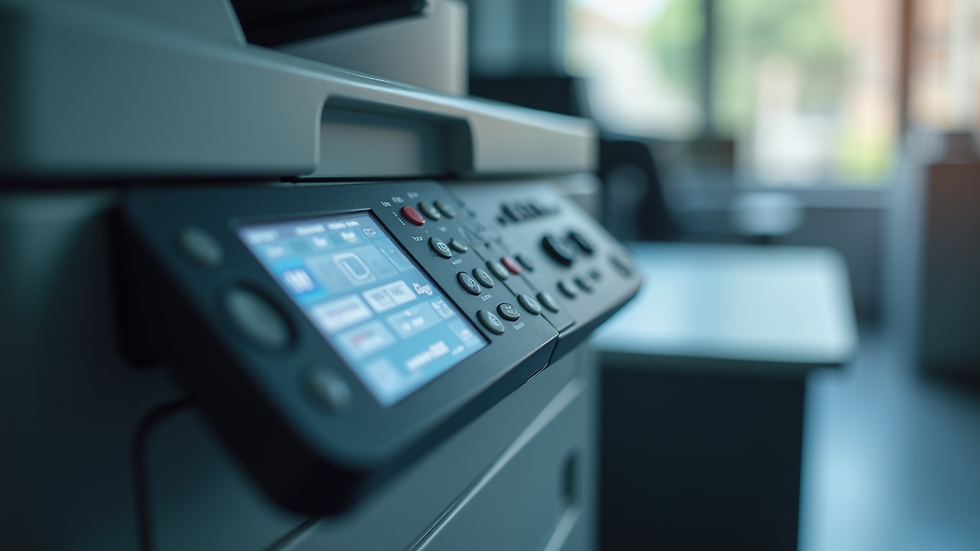
Leasing office copiers often includes maintenance and support services to keep equipment running smoothly.
Tips for Choosing the Right Copier Lease
To maximize the benefits of leasing office copiers, follow these practical tips:
Assess your printing needs carefully: Track your current usage to select the right copier size and features.
Negotiate lease terms: Don’t accept the first offer. Ask for flexible terms, lower payments, or included maintenance.
Read the fine print: Understand all fees, penalties, and end-of-lease options.
Consider bundled services: Some leases include supplies like toner and paper, which can simplify management.
Plan for future growth: Choose a lease that allows easy upgrades if your business expands.
Making the Most of Your Copier Lease
Once you have leased your office copier, ensure you get the most value from the arrangement:
Train your staff: Proper use reduces wear and tear and improves efficiency.
Schedule regular maintenance: Even if included, proactive care extends the copier’s life.
Monitor usage: Keep track of print volumes to avoid exceeding lease limits or incurring extra fees.
Communicate with your vendor: Report issues promptly and discuss upgrade options as needed.
By following these steps, your business can enjoy seamless printing operations without the stress of ownership.
Final Thoughts on Leasing Office Copiers
Leasing office copiers is a smart choice for many businesses looking to balance cost, technology, and convenience. It offers flexibility, predictable expenses, and access to the latest equipment. When considering your options, remember to evaluate your needs, understand lease terms, and choose a reliable vendor.
For businesses seeking a cost-effective way to equip their offices, business copier leasing can be the ideal solution. It allows you to focus on your core operations while leaving the complexities of copier management to the experts.
By making informed decisions and leveraging the benefits of leasing, your business can maintain productivity and stay ahead in a competitive market.


Comments